
When Growth Leads to Greater Sustainability: A Cooperative Expands Its System Boundaries



The nonprofit construction and housing cooperative Kraftwerk1 in Zurich is a pioneer in high-density, sustainable housing projects. Sustainability is in its DNA, and it aims to continuously improve in this area. So it commissioned Basler & Hofmann to conduct a current-state analysis and develop a sustainability strategy. The result is surprising.
Always keeping sustainability in mind: That’s how Kraftwerk1 has operated since the cooperative was founded in 1995. It has built three housing developments in Zurich and the surrounding area: Hardturm (2001), Heizenholz (2012), and Zwicky Süd (2016). A fourth housing development on the “Koch site” is currently under construction.
The cooperative wanted to know for sure and asked itself: Are we really doing enough, especially when it comes to environmental sustainability? It contacted Basler & Hofmann. An analysis by independent experts was intended to show how well the Kraftwerk1 housing developments and the cooperative’s office actually perform in terms of environmental sustainability. The building in the future Koch Quarter was also included in the analysis.
To kick things off, Friederike Pfromm, Head of Real Estate Development, and Leonie Basler, Project Manager for Renewable Energy, organized a workshop with a board member, the managing director, and the construction specialist from Kraftwerk1 to find out what Kraftwerk1 felt was lacking from its own perspective. “We realized right away: This cooperative is already deeply committed to environmental issues,” says Leonie.
Subsequently, in 2025–2026, Antoine Ansari-Filali and Leonie Basler conducted a comprehensive sustainability analysis. In it, they examined environmental aspects such as CO2 emissions from heating and electricity, biodiversity, and the water cycle in the housing developments.
Amazingly Good Practices
The analysis confirmed the impression gained during the workshop. “Even we on the sustainability team were amazed: We had never before seen a developer who had already done so much for sustainability—and wasn’t even aware of it,” reports Leonie Basler. “Our report showed those in charge, with facts and figures, the environmental areas where the cooperative excels. At the same time, we were able to demonstrate how their sustainability goals — including the net-zero target — can be achieved even more systematically and efficiently.”
When advising real estate managers on sustainability, the first step is often to identify the “low-hanging fruit.” In other words: showing clients how they can achieve success with minimal effort.
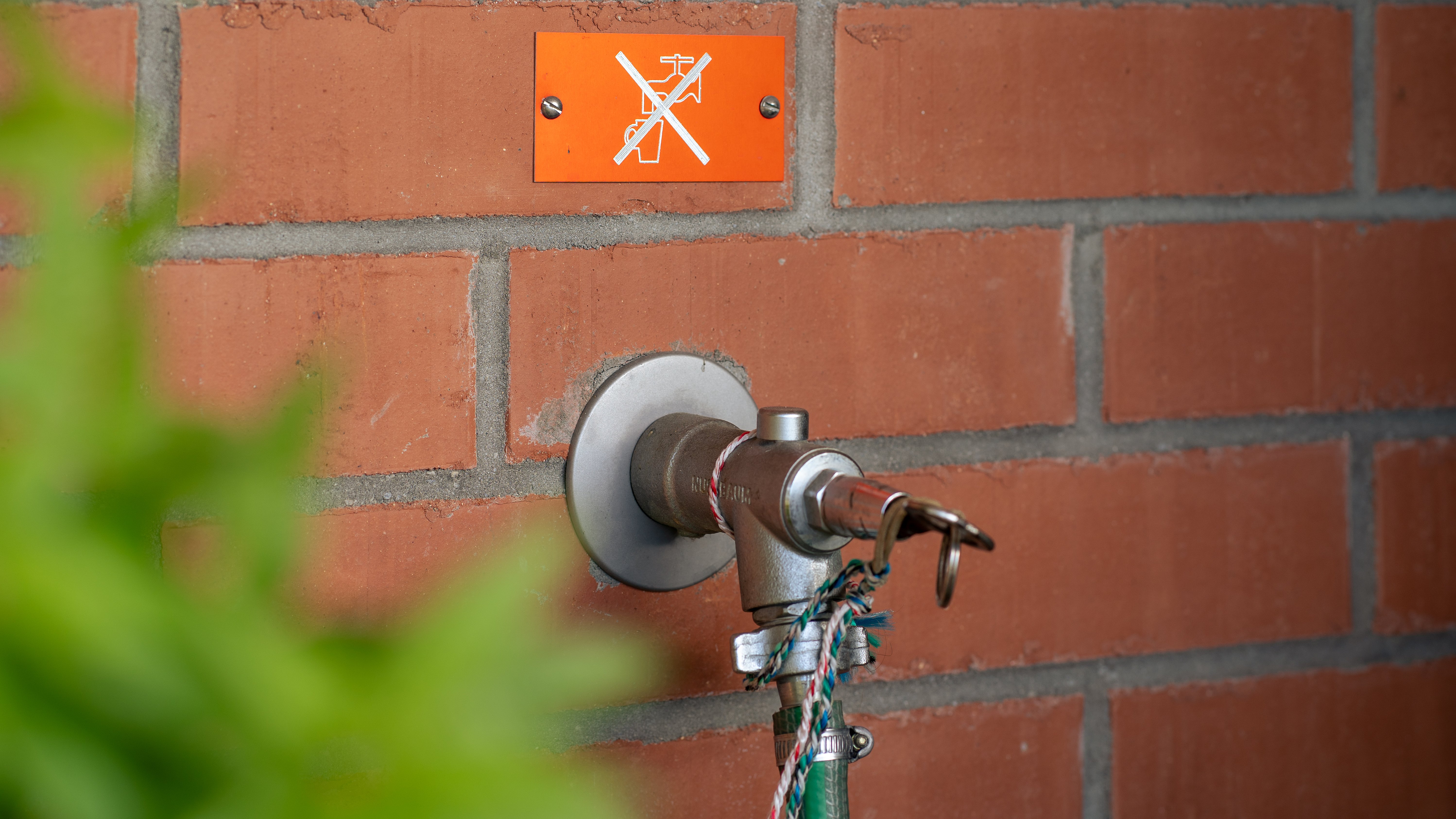
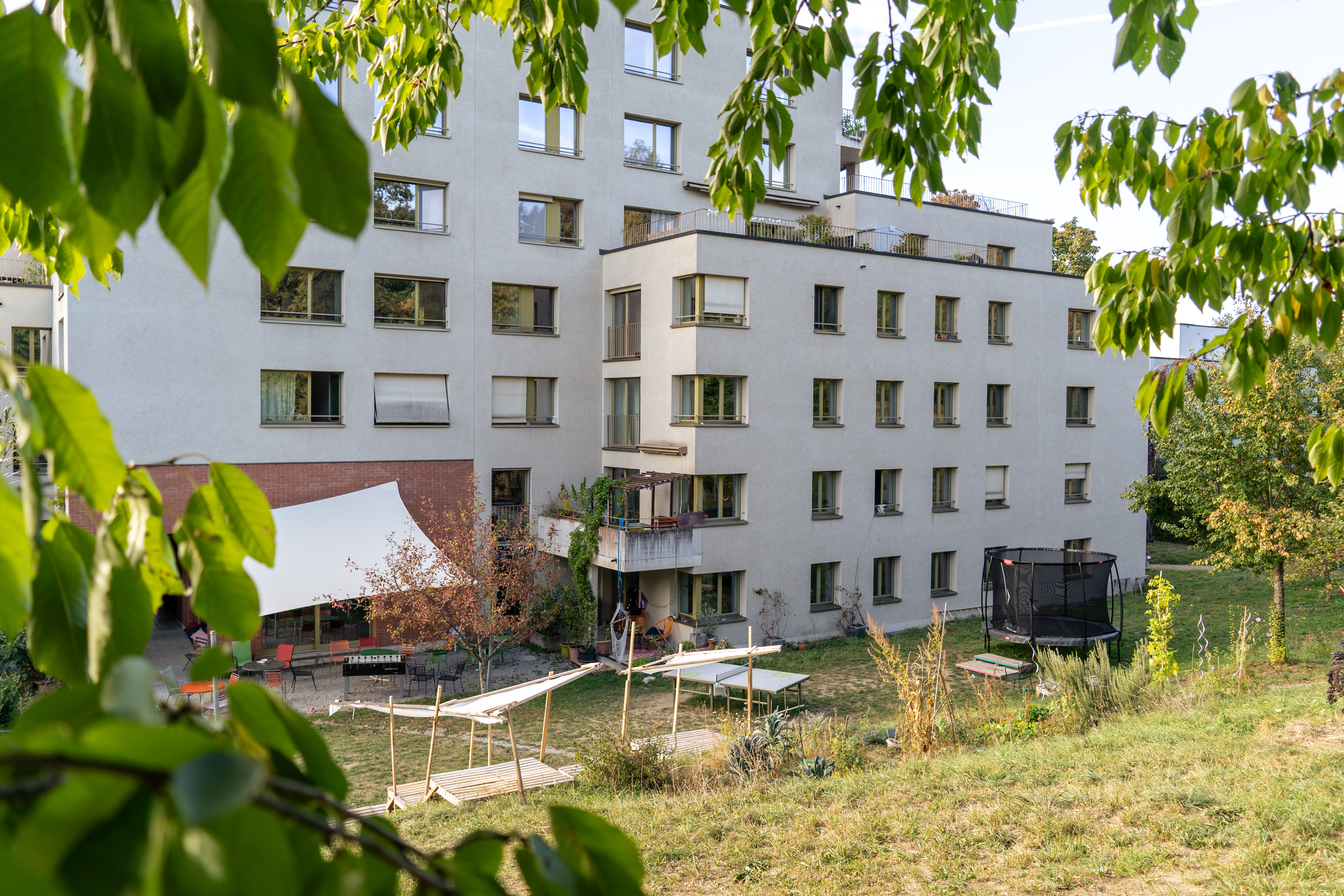
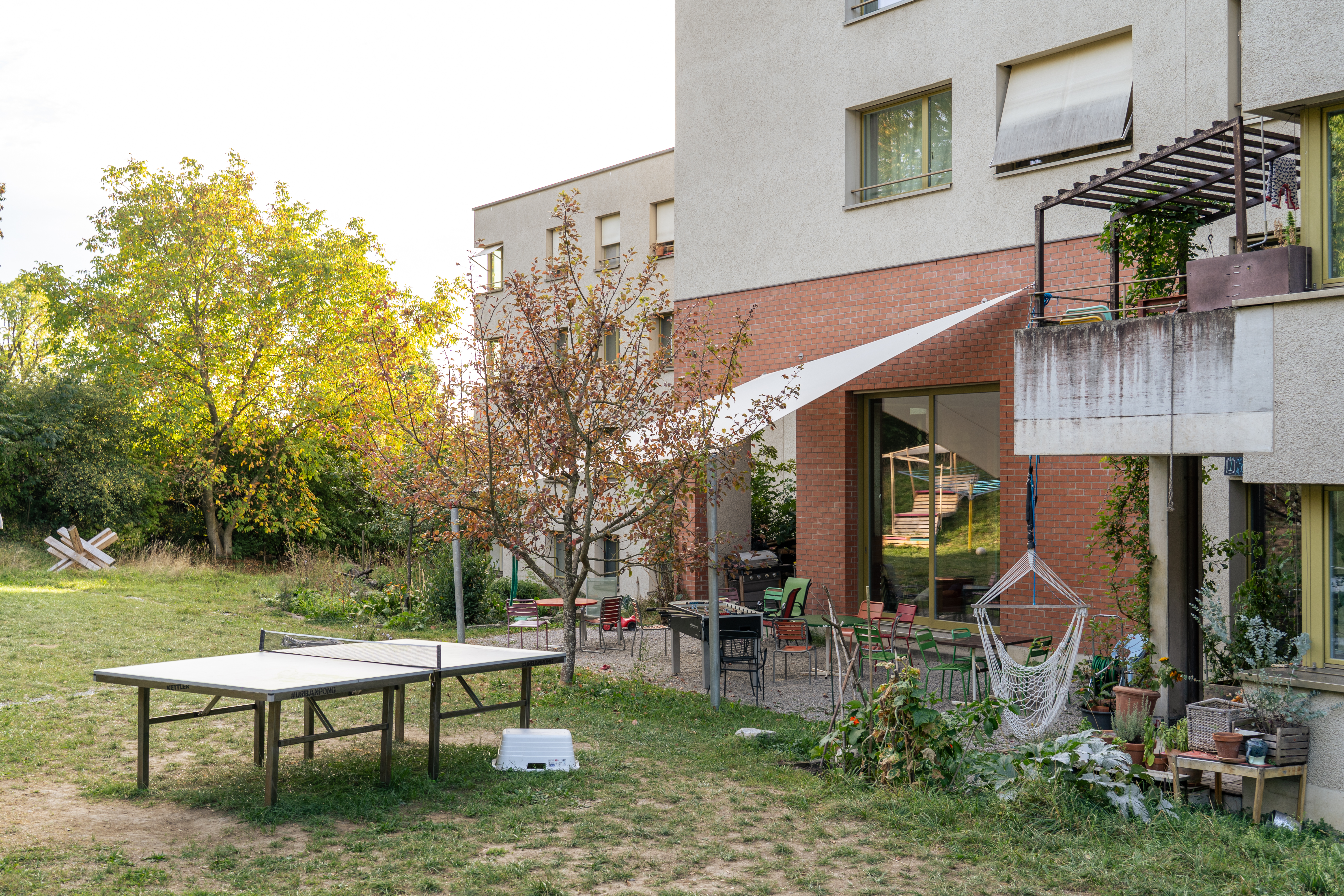
At Kraftwerk1, things are different. The cooperative has already implemented many measures; for example, all of its housing developments feature diverse vegetation and mature trees, it sources 100 percent of its electricity from renewable energy sources, and it has installed heat pumps or utilizes district heating. Its approach to rainwater management is also progressive. For example, none of the housing developments use building materials containing biocides that could pollute soil and water.
Since its founding, the cooperative has become more sustainable with each of its housing developments. The conclusion reached by our specialists in the baseline analysis was accordingly: Kraftwerk1 already demonstrates “above-average performance” in the environmental sector.
Of course, there is room for improvement. However, in the case of Kraftwerk1, the focus was less on defining further concrete sustainability measures within the housing developments and more on identifying where the cooperative as a whole has the greatest leverage to benefit the environment. And this extends beyond the boundaries of its own housing developments.
Lever 1: Growth
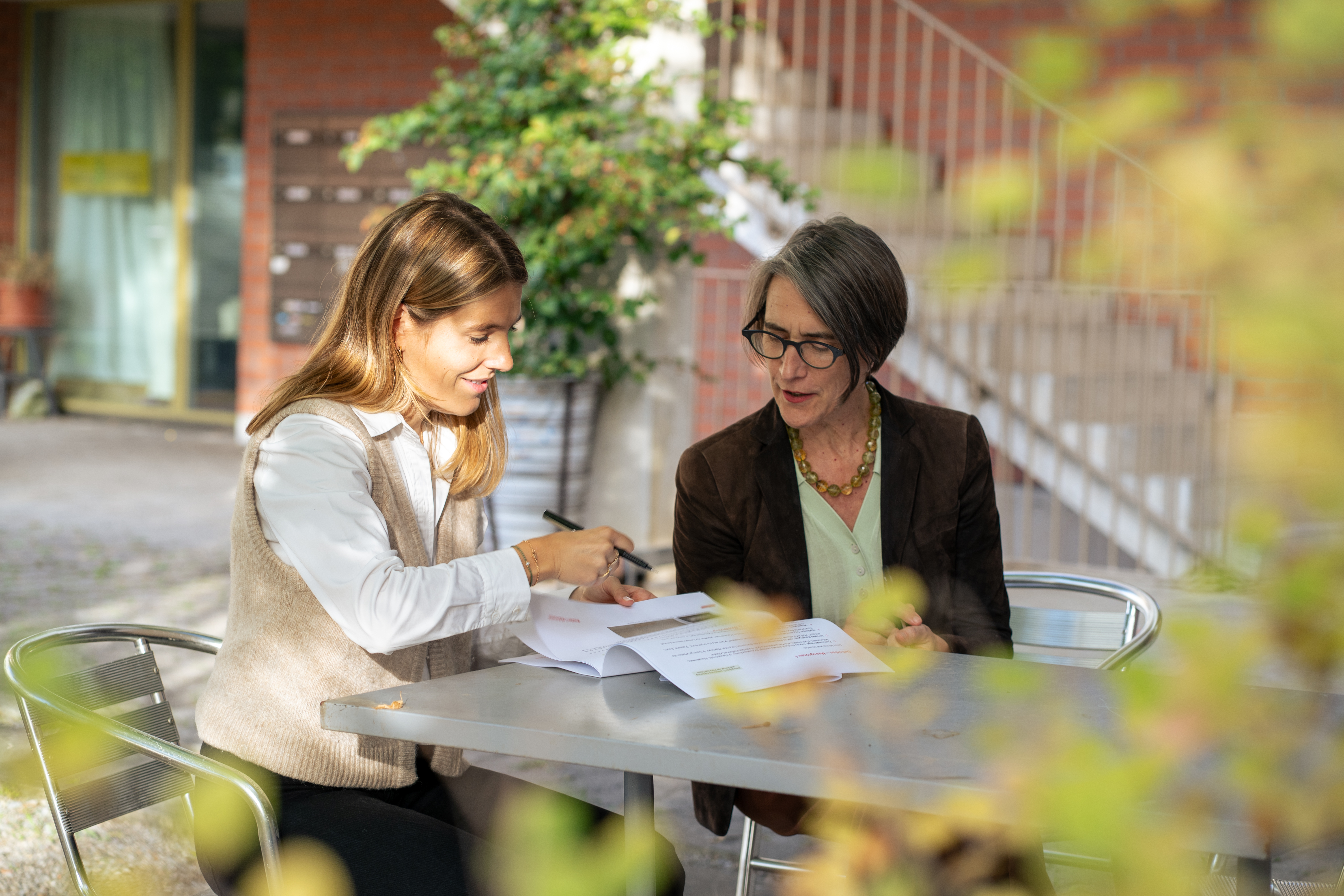
The first lever comes as a surprise, especially in the context of sustainability. It is “growth.” The cooperative should build more. “Growth while maintaining consistently high sustainability standards,” Leonie clarifies. By building or renovating more housing developments with at least the same ecological standards as before, Krafwerk1 enables more people to live with a low carbon footprint. This will reduce per-capita CO2 emissions much more significantly than would be possible with other measures. Our experts have been able to demonstrate this effect through calculations.
In line with this strategy, Kraftwerk1 is now planning another housing development. In the fall of 2026, it was awarded the building rights for the Grünwald site in Zurich. Provided the cooperative’s general assembly also approves the plan, it will build its fifth housing development there.
Lever 2: Influence
The second strategic lever: influence. The cooperative aims to serve as a role model, build networks, and inspire others so that they, too, can provide more environmentally sustainable housing. “Serving as a role model does not mean lecturing, but rather making an impact through active practice.” That’s how the strategy puts it. By sharing its knowledge, the cooperative can effectively help advance sustainable building and living beyond Kraftwerk1.
The strategy has been implemented
Kraftwerk1 has now implemented the sustainability strategy as part of its business strategy. All analyses by Basler & Hofmann, as well as the strategy itself, can be downloaded from the Kraftwerk1 website.


